Trending

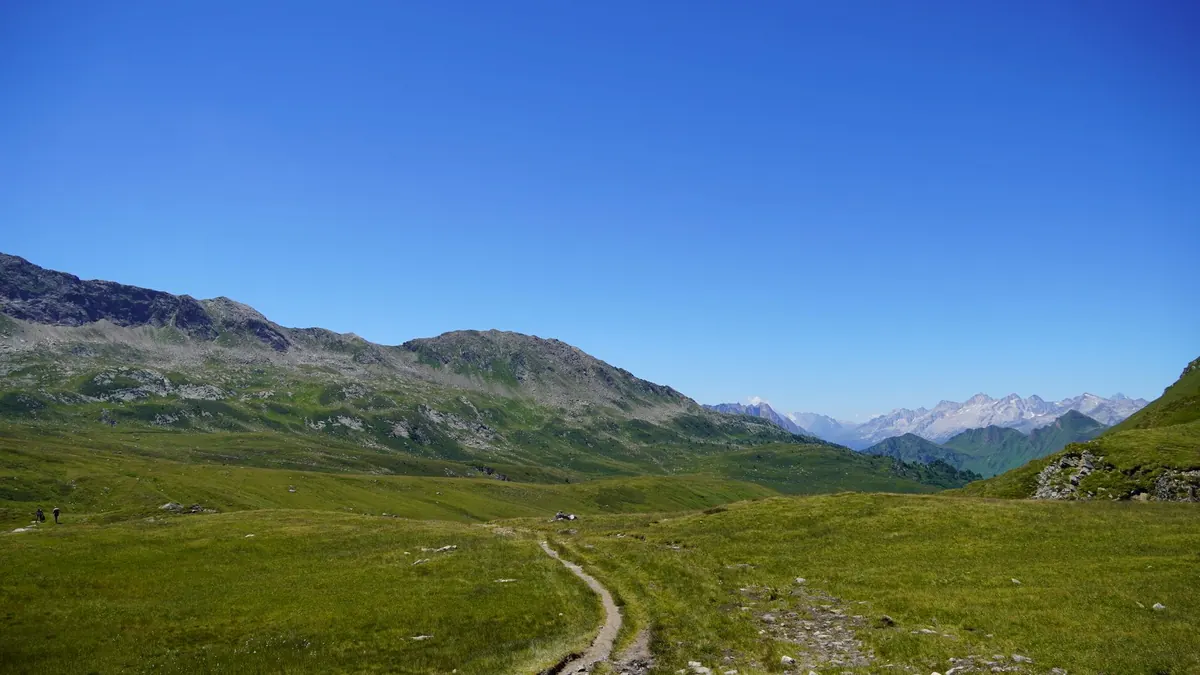
The Lake District has a talent for making a bright morning feel like a promise. Then you crest a col, the cloud drops like a wet curtain, the wind swings round, and the path you were following has quietly vanished. Most days on the fells go exactly to plan. The ones that don't tend to fail for the same handful of reasons — and almost all of them can be avoided with a bit of thought before you leave the car park.
Fell weather is not town weather. It is perfectly possible to leave Keswick in warm sunshine, drive twenty minutes, and spend the afternoon in horizontal rain with a wind chill that feels like February. Valleys sit in shelter; summits and passes do not. Add cloud and a route that felt obvious in the clear becomes a different day out entirely.
The fix is not complicated. Check the mountain forecast rather than the town one — the Met Office publishes a dedicated Lake District fell forecast covering cloud base, wind and visibility on the tops. Thirty seconds of reading it tells you more than a phone app pinned to Windermere ever will. Then pack as though the weather will turn, because it often does.
Start with a waterproof jacket and waterproof trousers. A jacket alone leaves your legs soaked and cold within the hour. Add a spare fleece or insulated layer, a hat and gloves, even in July, and keep your map and phone in a dry bag. Leave a full change of clothes in the vehicle for the drive home. Being cold and wet at the end of a walk is miserable; being cold and wet for the last four miles is how people get into real difficulty.
Phone signal on the fells is patchy and disappears completely in many valleys and on most higher ground. A phone is a useful backup, not a primary navigation tool. Cold drains batteries fast, wet screens misread taps, and a cracked screen in the rain is no help at all when you're trying to work out which of three paths leads to the pass.
You need a bagged Ordnance Survey Explorer map for the area you're walking and a compass you have actually practised with. The Lake District is covered by sheets OL4 to OL7. Beyond that, the skills matter more than the kit: taking a bearing, walking on it, counting paces, and matching contour shapes to what you can see in front of you.
One of the most common traps here is following a path that isn't on the map. Sheep trods and eroded desire lines look convincing and can lead you onto steep ground or straight into a bog. If the ground underfoot contradicts the map, stop, get the map out and work out where you actually are. Ten minutes of honest confusion beats an hour of confident wandering.
Trail shoes have their place, but the Lake District's mix of wet rock, loose scree, steep grass and bog rewards a proper walking boot with a deep tread and decent ankle support. Flat-soled trainers are one of the most common reasons for a slipped step and a twisted ankle on a descent.
Distance on the map is not distance on the ground. A route that reads as eight kilometres may involve a thousand metres of ascent, three boggy miles and a steep, loose descent that slows everyone to a shuffle. As a rough rule of thumb, allow about three kilometres per hour plus an extra minute for every ten metres of climbing — then add time for stops, photographs and the bit where the cloud comes down.
Pick a time — say 2pm — and agree that you will turn back when it arrives, whatever the summit looks like. Most long days in the fells begin with the sentence "it's only another twenty minutes". Darkness arrives early in winter, and the last hour of a walk is not the time to be route-finding on unfamiliar ground.
Eroded paths, wet rock, steep grass and scree all demand attention. Descents cause more trouble than ascents, particularly on loose stone where a fast, heavy step sends a slide of rubble down behind you. Shorten your stride, keep your weight over your feet, and don't be too proud to use your hands on steeper ground. Boggy ground is quietly exhausting as well — the kind of tiredness that creeps up and slows a whole group right down.
Groups move at the pace of the slowest walker, which is fine — but only if everyone accepts it in advance. Splitting up is where problems start. Decide before you set off who is carrying the map, and agree that nobody turns back alone. If you're out with children or dogs, plan shorter, lower routes and be honest about how much everyone actually wants to be there. If you have a heart or lung condition, or you're returning from injury, take proper medical advice before committing to a long day on the fells.
None of this is about being so cautious that you never go. It's about clearing away the avoidable problems so you can enjoy the good bits.
That last point matters most. The best walkers in the Lake District aren't the fastest or the boldest — they're the ones who come home with a story, a dry jumper and a plan for next time.