Trending

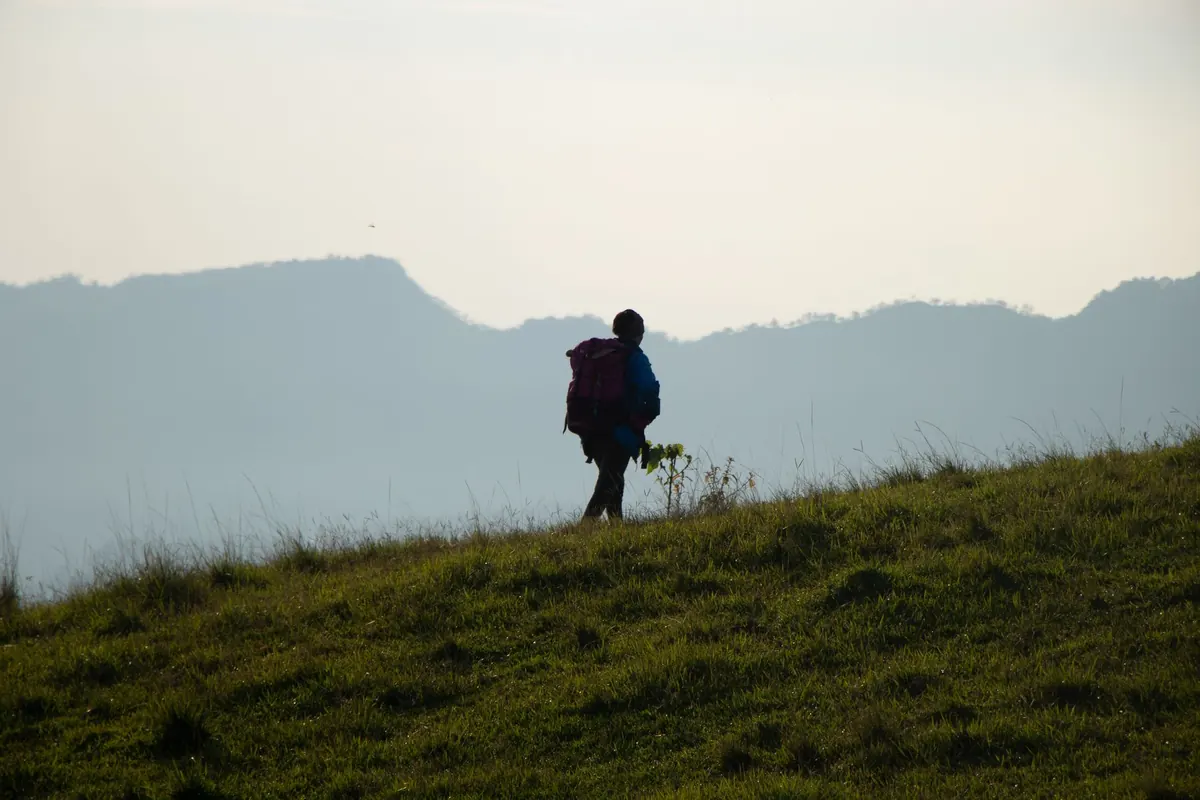
Long-distance walking isn't complicated. You put one foot in front of the other, eat, sleep and repeat. What catches people out is the repeat: the second morning, when the pack feels heavier than it did on day one and there are still 18 kilometres to go. Almost everything that makes multi-day walking enjoyable is within your control, and most of it costs nothing.
The trick is to treat a long walk as a series of ordinary days rather than one heroic challenge. Get the distance right, carry less than you think you need, look after your feet, and build a daily rhythm you can repeat even when the weather turns. This guide covers the basics that matter over consecutive days, plus the small decisions that keep a trip enjoyable.
Start with your longest recent day walk, then reduce it. If you've managed 15 km on the flat with a light rucksack, plan days of 12 to 14 km in hill country, not 25. The goal on a first multi-day trip is not to find your limit. It is to finish each day with enough energy to eat, wash, pitch a tent or find your bunk, and do it again tomorrow.
Route shape matters as much as distance. A linear route along a valley, with villages or train stations every few kilometres, gives you options when the weather turns or a knee starts complaining. The South Downs Way, the Dales Way and the West Highland Way all offer manageable first days and plenty of places to stop. A remote moorland crossing with one escape point does not.
For a first trip, book campsites, hostels or B&Bs. Wild camping can come later, once you know how your body handles consecutive days. Having a shower, a cooked meal and a dry bed at the end of day two can be the difference between a great trip and a miserable one.
Rule of thumb: if you cannot comfortably walk the first day's distance twice in a week at home, plan shorter days on the trail.
Fitness for long-distance walking is specific. Gym cardio helps, but the best preparation is walking, loaded, on the sort of ground you'll meet. Give yourself six to eight weeks. If you are starting from very little, give yourself twelve and build slowly.
A workable pattern:
Descents damage legs more than climbs do. Practise walking downhill with short steps and a slightly bent knee, rather than braking hard on a straight leg. That one habit saves quads, knees and toenails.
Weeks one and two: walk three times a week, with one longer walk at the weekend. Keep the pack light and focus on consistency. Weeks three and four: add a hill walk and increase the weekend distance by 2–3 km each time. Weeks five and six: carry your full trip weight on the long walk, including water and food. Weeks seven and eight: do two back-to-back long days, then taper and rest for several days before you leave.
If you are short on time, prioritise the back-to-back days. They teach you what consecutive walking feels like, which is the skill that matters most.
Every kilogram you carry is a kilogram you lift several thousand times a day. Most three-season walkers aim for a total pack weight of around 10–12 kg, including food and water, and plenty manage less. When the total creeps higher, the weight usually sits in four places: shelter, sleep system, spare clothing and "just in case" items.
Weigh everything once at home. Then decide what you are willing to carry for comfort, and what you are carrying only out of fear. Fear weighs more than almost any piece of kit.
These are the heaviest categories, so they deserve the most attention.
On a multi-day walk, routine beats motivation. Motivation is high on day one and unreliable by day four. A simple routine reduces decisions, protects your feet and gets you to camp before you are exhausted.
Adjust the timings to the season and terrain, but keep the structure. A steady rhythm prevents the boom-and-bust cycle that leaves you shattered by mid-afternoon.
Start slow, finish slow. The middle can look after itself.
Long days burn far more energy than a normal day at home. You may not feel hungry while walking, but you will feel it later if you do not eat. Aim to snack every hour, even when you do not want to.
Hot food at camp is not just nutrition. It is a psychological reset. A simple dehydrated meal, noodles or couscous with something salty can turn a hard day into a good story.
Feet finish trips. If your feet fail, everything else becomes irrelevant. Look after them before they hurt.
At camp, rinse or wipe your feet, dry them thoroughly and put on clean, dry socks. If you have a small cut or blister, clean it and cover it before you sleep. Small problems become trip-ending problems when they are ignored for two days.
Weather can turn a pleasant walk into a serious test. Check the forecast each morning, but do not rely on it. Carry a waterproof jacket and trousers, a warm layer, a hat and gloves even in summer if you are going high.
Bad weather is not a failure. Turning back early, taking a lower route or catching a bus is often the most experienced decision you can make.
Discomfort is normal. Pain that changes your gait is not. If you are limping, wincing with every step or unable to put weight on a foot, stop and deal with it. A rest day, a shorter day or a taxi to the next town is cheaper than an injury that ends your walking for months.
Pain that changes your gait is a warning, not a challenge.
Rest days are not wasted. They are part of the training. A slow morning, a long lunch and an easy afternoon can reset your body and your mood for the days ahead.
Recovery starts before you finish. Eat protein and carbohydrates within an hour of stopping, elevate your legs, drink water and sleep as much as you can. A short walk the next day, even just 20 minutes, helps stiffness more than lying still.
When you get home, review your kit. Make a note of what you used, what you never touched and what failed. Then plan the next trip with one change, not ten. Long-distance walking rewards small improvements repeated over time.
Above all, remember that the first multi-day walk is not a test. It is a conversation with your body, your gear and the landscape. Pack light, walk within yourself, look after your feet, and the repeat will become the best part.
Photo: Fausto Hernández / Pexels